
Updated October 2026
Biohazard cleanup in Oklahoma City can begin only after police or the medical examiner release the scene, so the timing is set by them, not by us. Once released, the work is containment, removal of affected porous materials, cleaning and disinfection of hard surfaces, odor control and repair of what had to come out.
What biohazard cleanup involves
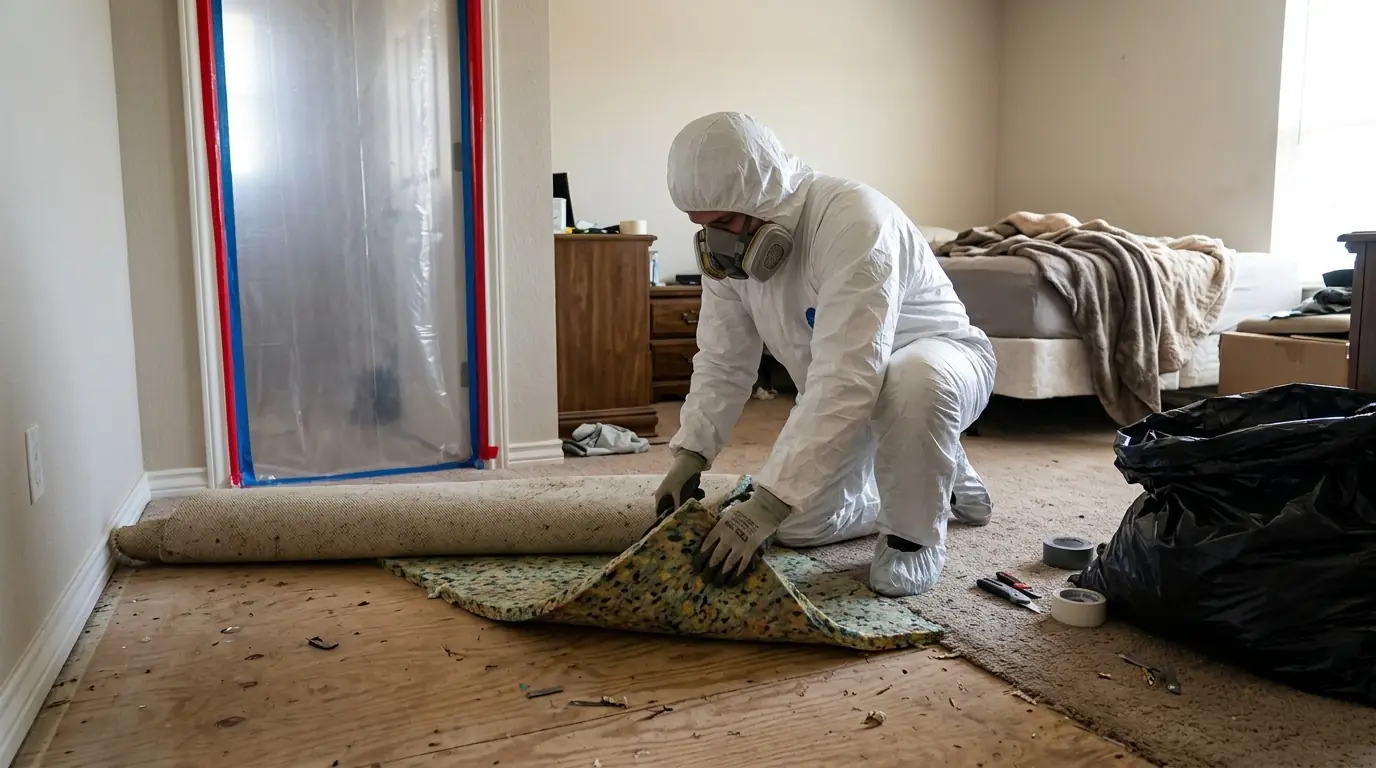
The goal is a room that is safe to use and no longer carries reminders of what happened. Blood and other bodily fluids soak into porous materials such as carpet, pad, drywall and mattresses, often well beyond the visible area. Those materials have to be removed, bagged and disposed of properly.
Hard surfaces like tile, sealed wood and metal are cleaned and then disinfected with products suited to the job. We check under flooring and behind trim, where fluids collect, and treat the odor at its source rather than covering it.
We keep the work quiet and talk with the family, the landlord or the property manager on your terms. Once the area is clean, we can replace flooring, drywall and paint so the room looks like the rest of the home.
Biohazard calls come in several forms. The steps are similar, but the scope, the time on site and the conversations with the family differ.
Blood and Bodily Fluid Cleanup
After an injury, an accident at home or a crime scene release, blood may be on floors, walls, furniture and fabrics. We seal off the area, remove affected porous materials such as carpet, pad and upholstery, and clean and disinfect hard surfaces. Where fluids reached a subfloor or the base of a wall, we open it up, clean or remove the affected wood and seal it before rebuilding. Families can stay in other parts of the house while we work.
Unattended Death Cleanup
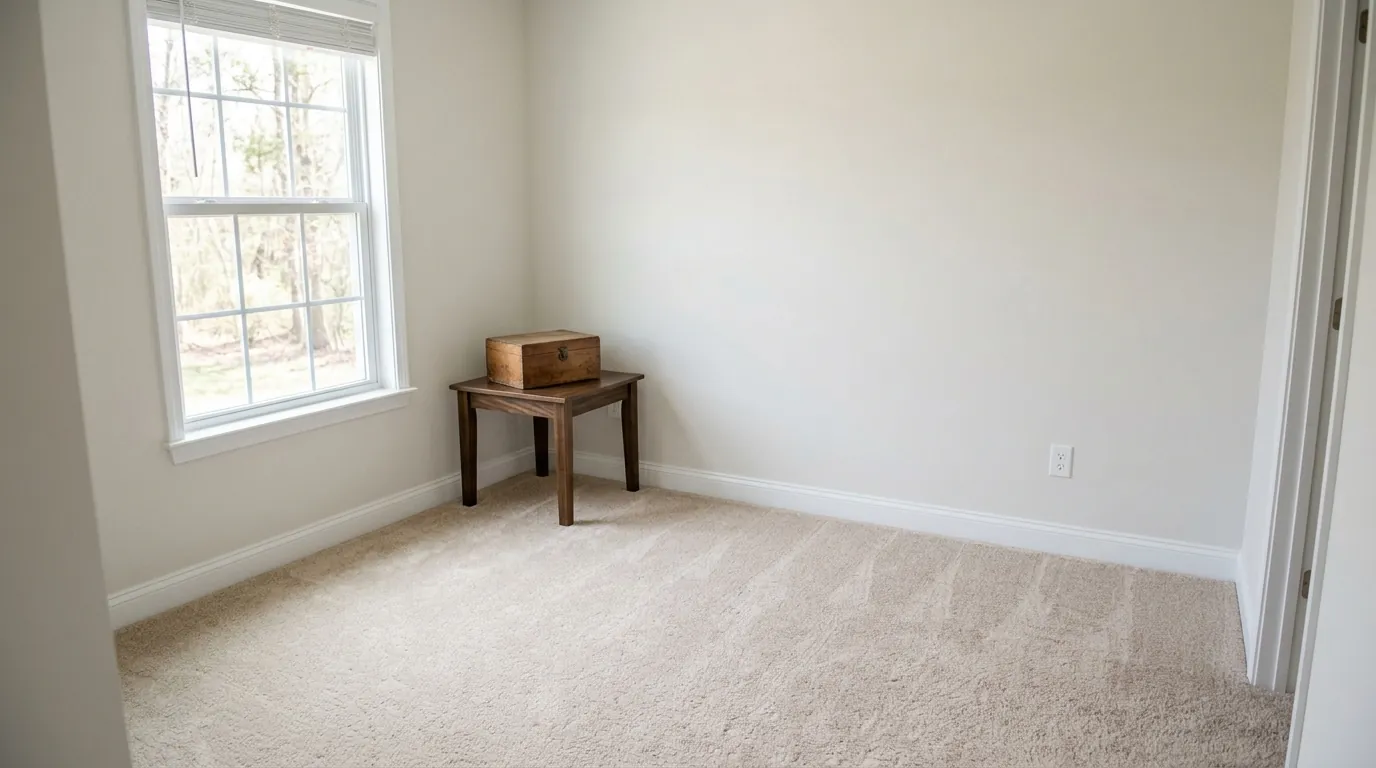
When someone passes away and is not found for some time, fluids and odor reach deeper into the home. Flooring, subfloor, drywall and sometimes framing may be affected.
We work after the medical examiner and police have released the home, and around the family's schedule for funeral plans and gathering belongings. We remove affected materials, clean and disinfect the structure, treat odor at its source and restore the room. Belongings can be set aside for the family to go through.
Hoarding Cleanup
Hoarding situations involve volume as much as contamination. Waste, spoiled food, animal waste and pests can build up under piles of belongings. We work room by room with the person or family, sorting what stays, what goes and what needs cleaning, rather than emptying the house in one pass. Once rooms are clear, we clean, disinfect and deodorize, and repair floors and walls that were damaged underneath. The pace depends on the person involved, and we plan around it.
How long biohazard cleanup usually takes
A small blood cleanup on hard surfaces may be done in a day. When fluids reached carpet, subfloor or drywall, removal and cleaning can take several days, and rebuilding the room adds time after that. Hoarding cleanups move at the pace of the person or family involved and can stretch over weeks. Release from police or the medical examiner comes first in every case.
How a biohazard cleanup is carried out
- We confirm the releaseWe start only after police or the medical examiner have released the home or building.
- We walk through with youA quiet walk-through to see how far contamination reached and agree on what happens to belongings.
- We contain and removeThe area is sealed off and affected porous materials are removed, bagged and disposed of properly.
- We clean, disinfect and deodorizeHard surfaces and structure are cleaned, disinfected and treated for odor at the source.
- We restore the roomFlooring, drywall and paint go back so the room matches the rest of the home.
Why this work needs a careful local schedule
Oklahoma City had an estimated 719,849 residents on July 1, 2025, according to the Census Bureau, and next door Midwest City counted an estimated 58,799. In communities that size, these calls come from apartments, rental houses and family homes alike, and they rarely arrive on a convenient schedule. That is why we plan each cleanup around the release from police or the medical examiner and around the family's own timeline, rather than asking anyone to work around ours.
Should family members clean up themselves?
The urge to clean up right away is understandable. Some steps are reasonable, but most of this work carries real health and emotional risk.
| Task | What a homeowner can do | When it needs us |
|---|---|---|
| Securing the room | Close the door and keep children and pets out once the scene is released. | Any time fluids reached flooring, walls or furniture. |
| Small spots on hard surfaces | Leave them alone until a plan is in place, even if they look minor. | When there is more than a few drops or any soaked fabric. |
| Odor | Ventilate other rooms and avoid sprays that only mask the smell. | When odor persists, which means fluids reached porous materials. |
| Belongings | Set aside important papers and keepsakes from unaffected rooms. | When items in the affected room need cleaning or assessment. |
What affects the cost of biohazard cleanup
Biohazard cleanup is priced after a walk-through, because the scope depends on how far contamination reached and what has to be rebuilt.
- How far fluids traveled. A spot on tile cleans quickly. Fluids that soaked through carpet into subfloor take removal and rebuild.
- Porous materials affected. Carpet, pad, drywall and furniture usually have to be removed and disposed of, adding labor and handling.
- Time before discovery. The longer the scene sat, the deeper fluids and odor reach into the structure.
- Odor control needed. Strong odor can need extra deodorization steps after cleaning and disinfection.
- Volume in hoarding jobs. Sorting and hauling large amounts of belongings and waste adds days and disposal costs.
- Rebuild after cleaning. Replacing flooring, drywall and paint brings the room back but adds to the total.
Biohazard cleanup questions families ask in Oklahoma City
Many homeowners policies cover cleanup after a sudden event, though coverage varies by policy and circumstance. You decide whether to file a claim. If you do, we provide photos and a written scope so the adjuster can see what was removed and why.
No. Many families prefer not to be. We can do a walk-through with you or a representative at the start, agree on what to keep and what to set aside, and then work while you are elsewhere.
We keep a low profile and do not discuss the job with anyone outside the people you name, including neighbors who ask. Waste is bagged and removed without drawing attention to the house.
Usually not. Blood and other fluids soak into foam, padding and fibers where cleaning cannot reach. Hard furniture and sealed surfaces often can be cleaned and disinfected. We set aside anything with sentimental value so the family can decide.
After cleaning and disinfection, the room can be used once odor treatment is done and any open areas are closed up. If flooring or drywall was removed, rebuild comes next, and the room is fully back once that work is finished.