
Updated October 2026
Apartment and multi-family damage repair in Oklahoma City starts with tracing the damage across units, because water from one bathroom often lands in two or three apartments below. Each affected unit needs its own readings, photos and scope, since the owner's policy and each resident's renters policy cover different things.
Why multi-family damage takes a unit-by-unit approach
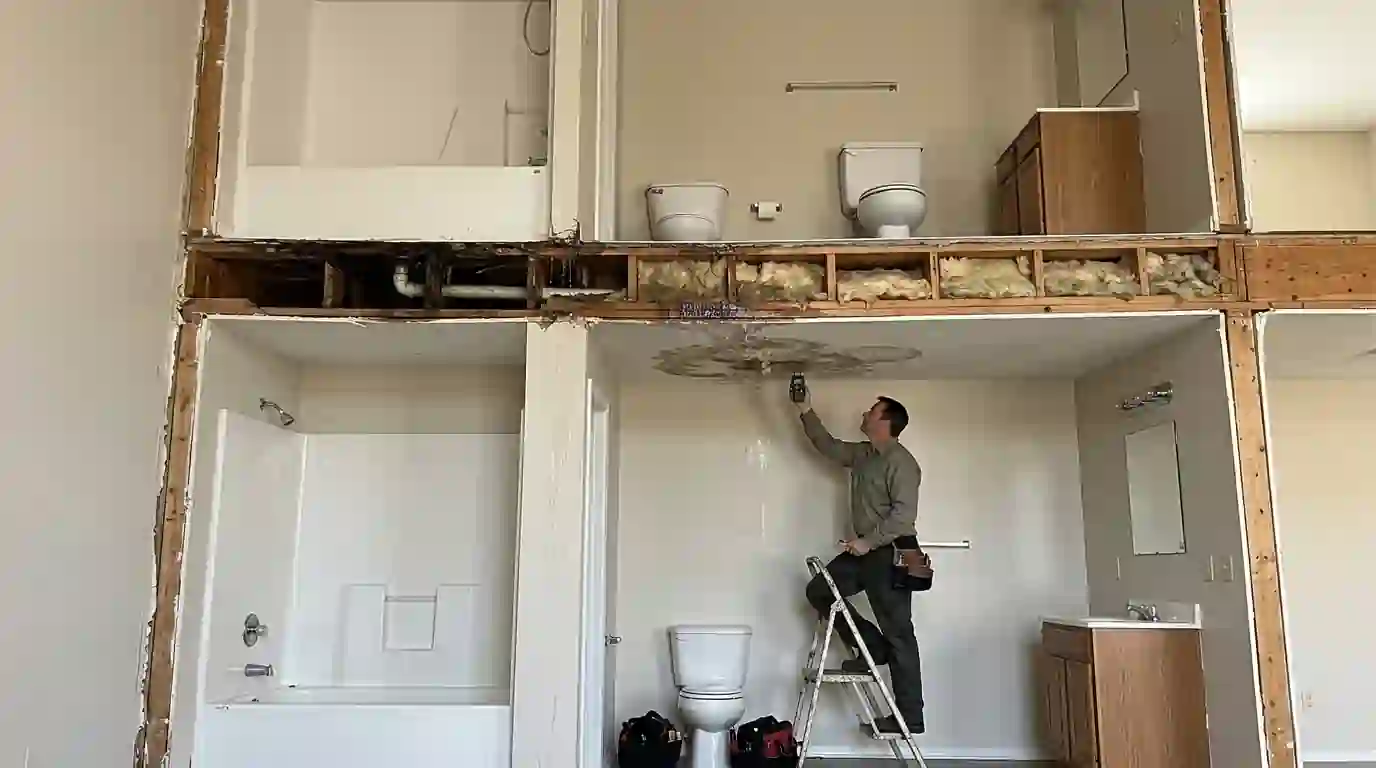
A supply line that fails on the third floor drops water through the ceiling below and runs along joists into the unit next door. A kitchen fire in one apartment sends smoke into the hallway and through gaps around pipes. The repair has to follow the damage, not the unit numbers.
We work through the property manager. Entry to occupied units is scheduled, residents get told what equipment is running and why, and each unit gets a separate file of photos and moisture readings. That keeps the owner's claim clear and gives the manager answers when residents ask what happens next.
When the drying or cleaning is done, we rebuild to the property's standard finishes so units can be released back to residents or put up for rent again.
What decides the cost of multi-family damage repair
Multi-family losses are scoped unit by unit, so the total depends on how many units are involved and what each one needs.
- Number of units affected. Each unit needs its own setup, readings and repairs, so damage across floors multiplies the work.
- Water source. Clean supply water can often be dried in place. Sewage means pulling porous materials in every unit it reached.
- Occupied or vacant units. Working around residents takes more scheduling and protection than working in empty units.
- Common areas. Hallways, stairwells and laundry rooms add cleaning and rebuild beyond the units themselves.
- Finish standard. Matching existing flooring, paint and fixtures across a building affects material choices and labor.
Residents stay in place or move out during repairs?
Managers often have to decide this unit by unit. The damage, not the calendar, should drive it.
| Situation | Resident can usually stay | Resident usually moves out | Why |
|---|---|---|---|
| Clean water, one or two rooms | Yes, with equipment running | Rarely | Drying is loud but not hazardous |
| Sewage or dirty water | Rarely | Yes, until cleaned | Contaminated materials must come out |
| Light smoke from next door | Often, after cleaning starts | If odor stays strong | Depends on residue and sensitivity |
| Kitchen or bath torn out | Rarely | Yes, during rebuild | Unit lacks basic facilities |
Most multi-family calls fall into one of three situations, and each one changes how many units are involved and who needs to be kept informed.
Unit-to-Unit Water Leaks
Overflowing tubs, failed toilet supply lines and washing machine hoses are the usual sources. The unit above may look fine while the unit below has a sagging ceiling. We stop the source, then check every unit around it, above, below and to the sides, with moisture meters and a thermal camera.
Each unit gets its own drying setup and log. Occupied units get equipment placed to keep bedrooms and exits usable where possible.
Fire Damage Across Units
A fire in one apartment can leave the next unit with smoke damage, the units below with water from firefighting, and the hallway with soot. We secure the building where it is open, map smoke and water through each unit and common area, and clean, dry and rebuild in an order the manager can plan around. Units with only light smoke can often be cleaned and returned sooner than the unit where the fire started.
Turnover Repairs After a Loss
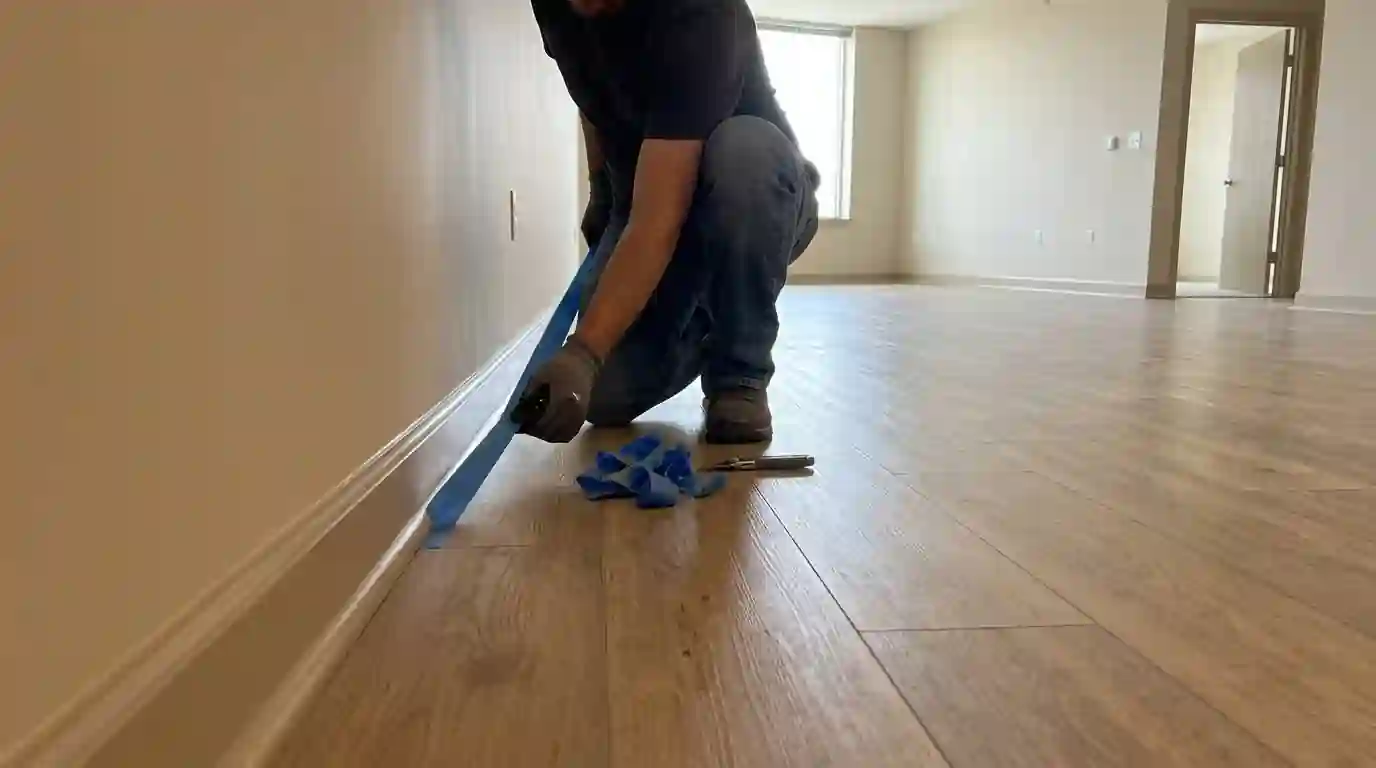
Once a damaged unit is empty, the work shifts from emergency to turnover. That means drywall, paint, flooring, trim and fixtures back to the property's standard so the unit can be leased again. We match the finishes and colors used across the building, so a repaired unit does not stand out from the ones next to it, and we can schedule several damaged units at once so they come back on line together.
What a multi-family damage scope should include
Multi-family scopes vary widely between contractors. Ask for these items in writing so nothing falls between the units.
- A list of every unit and common area checked, damaged or not
- Separate photos and moisture logs for each unit
- How entry to occupied units will be scheduled and noticed
- Where equipment sits and how exits and hallways stay clear
- Which items belong to the building and which to residents
- Finish standards for flooring, paint and fixtures
- Order of work and target dates for releasing each unit
Why so many repair calls here involve renters
Census QuickFacts puts the owner-occupied rate in Oklahoma City at 58.6% for 2020 to 2024, which leaves a large share of homes rented. In Norman the owner-occupied rate is lower still at 53.3%, so close to half of occupied homes there are rentals. In both cities that means many damage calls involve a property manager, an owner and a resident at once, and the repair plan has to work for all three before the first unit is opened up.
How a multi-family loss moves from first call to turn-ready
- We stop the sourceThe leaking line, fixture or appliance is shut off and the manager is told which unit it came from.
- We check every nearby unitUnits above, below and beside the source are metered and photographed, damaged or not.
- We set up unit by unitDrying or cleaning equipment goes into each affected unit, with entry scheduled through the manager.
- We log each unit dailySeparate readings and photos per unit until each one reaches the dry target.
- We rebuild to turn-readyDrywall, paint, flooring and trim go back to the property's standard and the manager signs off.
Apartment damage questions from Oklahoma City managers and owners
It depends on the cause, the lease and the policies involved. The building owner's policy usually covers the structure, and each resident's renters policy may cover their belongings. We document each unit separately so the owner, manager and carriers can sort it out.
For a clean water leak in a room or two, most residents stay while equipment runs. Sewage, heavy smoke or a removed kitchen or bathroom usually means a few nights elsewhere. The manager decides, and we give them the details needed to make that call.
Water and smoke travel inside walls and ceilings before they show. A unit that looks fine today can show a stain or odor next week. Metering it now, and recording that it was dry, protects the owner if questions come up later.
Yes. When multiple units are damaged by the same leak or fire, we schedule them together so drying, demolition and rebuild move in parallel. That usually gets units back on line sooner than working one at a time.
Belongings are the resident's, and their renters policy usually covers them. We move items away from wet areas, photograph what was damaged and leave decisions about cleaning or discarding them to the resident and their carrier.