
Updated October 2026
Sewage backup cleanup in Oklahoma City treats the water as contaminated from the first minute, because it carries bacteria and viruses that soak deep into carpet, pad and drywall. Porous materials it reached come out, hard surfaces get cleaned and disinfected, and the area is dried and checked before anything is rebuilt.
Why sewage cleanup is a removal job, not a drying job
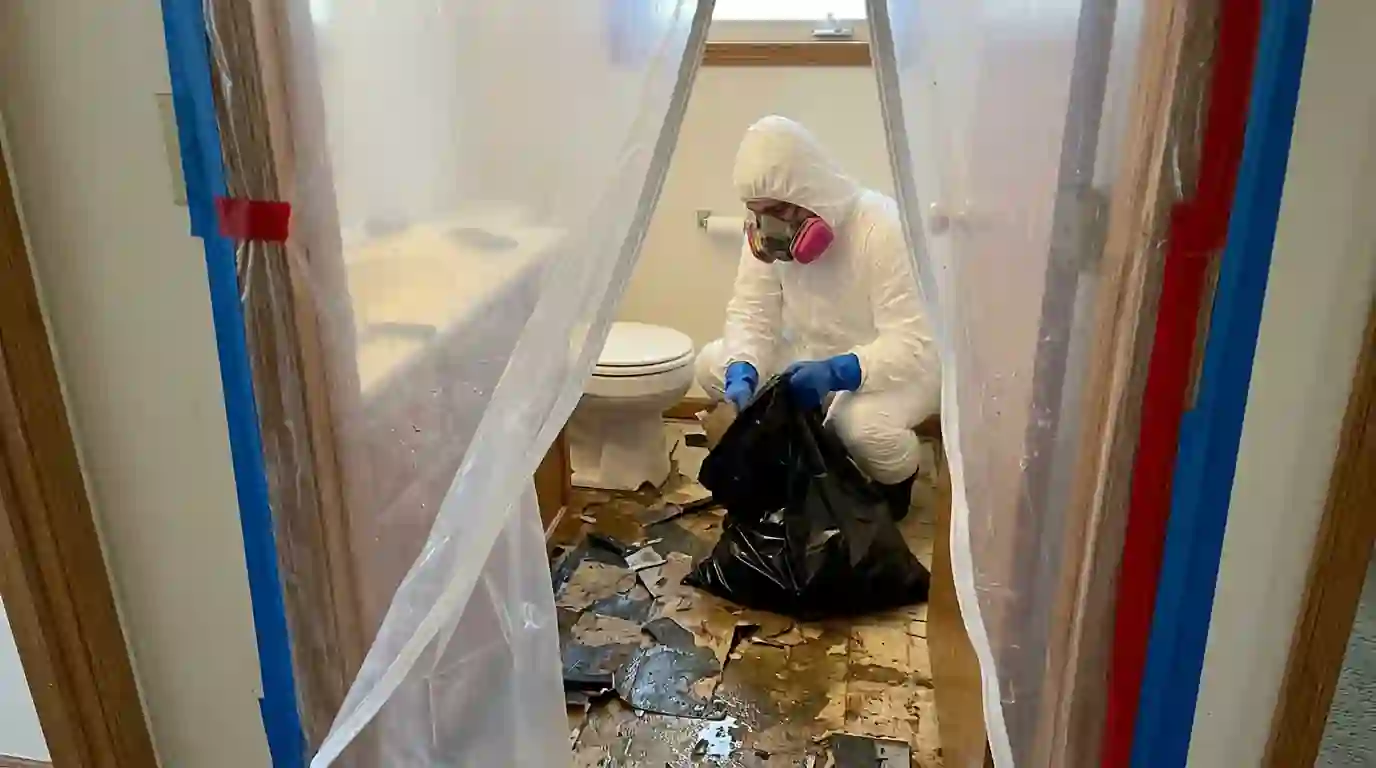
Clean water from a supply line can often be dried in place. Sewage cannot. Carpet, pad, drywall, insulation and particleboard that absorbed it hold contamination inside the material, so they come out and get bagged for disposal. Solid wood framing, tile and concrete can usually be cleaned, disinfected and kept.
We seal the affected rooms off, wear protective gear and run air filtration while materials come out. Exposed surfaces get washed, disinfected and dried, with moisture readings before anything new goes in.
The cause needs attention too. A blocked main line will back up again the next time someone runs a load of laundry, so cleanup is scheduled around the plumber clearing or repairing the line, not before it.
Signs your sewer line is about to back up
- Gurgling drainsDrains that gurgle when another fixture runs point to a partial main line blockage.
- Several slow drains at onceOne slow sink is a local clog. Several together usually means the main line.
- Water rising in the tubWater appearing in the tub when the washer drains is backing up from downstream.
- Sewer smell indoorsA steady sewage odor near drains can mean a leaking line or a dry trap.
- Wet spots in the yardA soggy patch over the sewer line can mean a crack outside.
Where the sewage came from decides how much of the house it reached and how fast it has to be dealt with.
Toilet Overflows
A clogged toilet that overflows once with clean bowl water is a small cleanup. One that overflows with waste, or keeps running while the house is empty, soaks the subfloor around the flange and drips into the ceiling below on a two-story home. We check under the toilet and the room below, because the visible puddle is rarely the whole story. Vinyl and tile usually clean up; the underlayment beneath often does not.
HomeGuide puts sewage cleanup at $7 to $15+ per square foot on average, noting a small cleanup may cost $2,000 and a larger one up to $15,000.
Main Line Backups
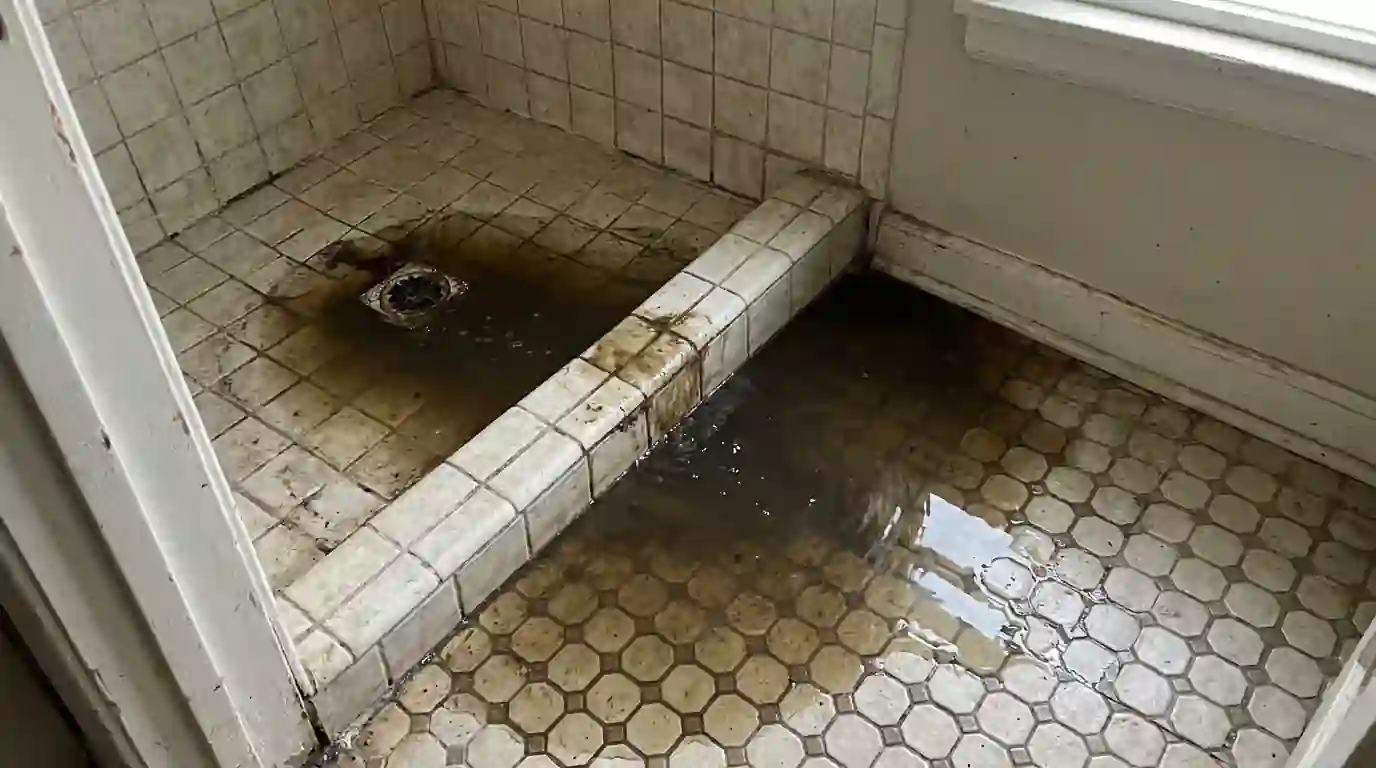
When the main sewer line clogs or collapses, every drain in the house becomes an outlet. Sewage rises out of the lowest fixture first, usually a floor drain, a ground-floor shower or a tub, and it keeps coming as long as anyone uses water. The line has to be cleared by a plumber before cleanup makes sense, and we photograph and record every affected room while that happens, so nothing is missed when the claim and the scope are written.
Sewage Under the House
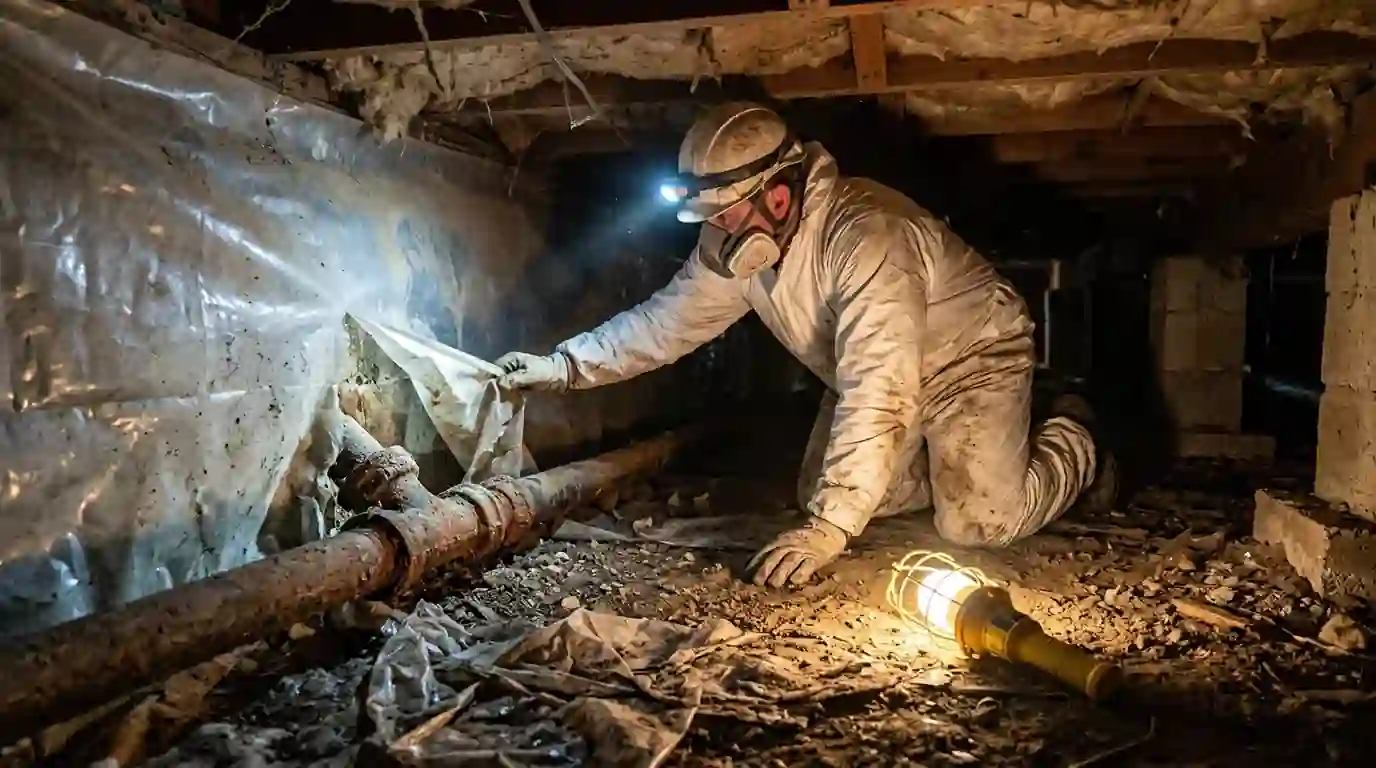
In a house over a crawl space, a cracked drain line or a failed joint can leak sewage onto the soil under the floor for weeks before the smell gives it away. Cleanup means removing the contaminated vapor barrier and insulation, treating the soil surface and the joists, and laying new barrier once the line is repaired. It is cramped, slow work, done on hands and knees in full protective gear.
How we handle a sewage backup from start to finish
- We stop new sewage coming inWe tell you which fixtures to stop using until the line is cleared.
- We contain the areaPlastic barriers and air filtration keep contamination from spreading to clean rooms.
- We remove contaminated materialsSoaked flooring, drywall, insulation and contents are bagged, listed and hauled out.
- We clean, disinfect and dryRemaining surfaces are washed and disinfected, then dried to a measured target.
- We rebuildSubfloor, drywall, flooring, fixtures and paint go back once the readings and the smell are clear.
Sewage, floodwater and insurance in Oklahoma City
When heavy rain overloads drains, a sewage backup and a flood can arrive together, and the insurance question gets tangled. The City of Oklahoma City points out that basic homeowner's insurance does not cover floods, and that the city takes part in the National Flood Insurance Program and its Community Rating System. Sewage backup coverage often needs its own endorsement on a homeowner's policy as well. Check which of the two your policy includes before storm season, because sewage-contaminated floodwater gets the same removal and disinfection either way.
What is safe to do yourself after a sewage backup
Sewage carries real health risk, but a few first steps are yours.
| Task | What a homeowner can do | When it needs us |
|---|---|---|
| Stop using water | No flushing, showers or laundry until the line is cleared. | Right away, so cleanup can start once the line is open. |
| Keep people and pets out | Close doors to the affected rooms. | Sewage reached carpet, a hallway or a second room. |
| Clean a small tile overflow | In gloves and boots, wipe up and disinfect. | It reached carpet, drywall, a vanity or the ceiling below. |
| Move belongings | Move clean items out of the water's path. | Soaked contents need listing for a claim. |
What sets the cost of sewage cleanup
Removal, protective gear and disinfection make sewage jobs cost more per square foot than clean water jobs.
- Area affected. Pricing runs largely by the square foot, so each extra room adds to the total.
- Materials that must go. Carpet, pad, drywall and cabinets that absorbed sewage are removed and replaced.
- How long it sat. Sewage left for days soaks deeper into subfloor and framing.
- Access. A crawl space or a room under a bathroom takes longer than an open tile floor.
- The cause. Clearing the sewer line is separate plumbing work, not part of cleanup.
Published national price ranges
- $7 to $15+ per square foot on average; a small cleanup may cost $2,000, a larger cleanup up to $15,000, or more with mold or damage (per sq ft / per job), sewage cleanup. How Much Does Sewage Cleanup Cost? (2026) (HomeGuide)
These are planning ranges from national cost guides, not our quote. The price for your house depends on the factors above, and we give you a written scope before repair work starts.
Sewage backup questions we get in Oklahoma City
Yes. Sewage carries bacteria, viruses and parasites, and contaminated materials spread them as they dry. Keep children, older adults, pets and anyone with a weak immune system away until the area is cleaned, disinfected and dried.
Almost never. Carpet and pad absorb sewage into the backing, where cleaning cannot reach. Tile and sealed concrete can be cleaned and disinfected. Some area rugs can be cleaned off site, but wall-to-wall carpet is removed.
A plumber clears or repairs the line, usually with a cable or camera inspection. Cleanup should wait until the line drains normally, or the next flush brings sewage back into rooms that were just cleaned.
The smell is gone, readings match dry areas, and every porous item that touched sewage is out. We walk the rooms with you before anything is closed up so you can see the cleaned framing and subfloor.
Grease and wipes build up in the line, and tree roots work into cracks in older pipes. Heavy rain can also overload sewer systems. A backup that keeps coming back usually means the line needs a camera inspection.