
Updated October 2026
Odor removal in Oklahoma City works only when the source comes out first. Smoke residue, pet urine in carpet pad and damp materials growing mildew keep producing smell until they are cleaned, sealed or replaced. Deodorizing treatments like thermal fogging, hydroxyl units or ozone handle what is left after that, not instead of it.
Why an odor keeps coming back
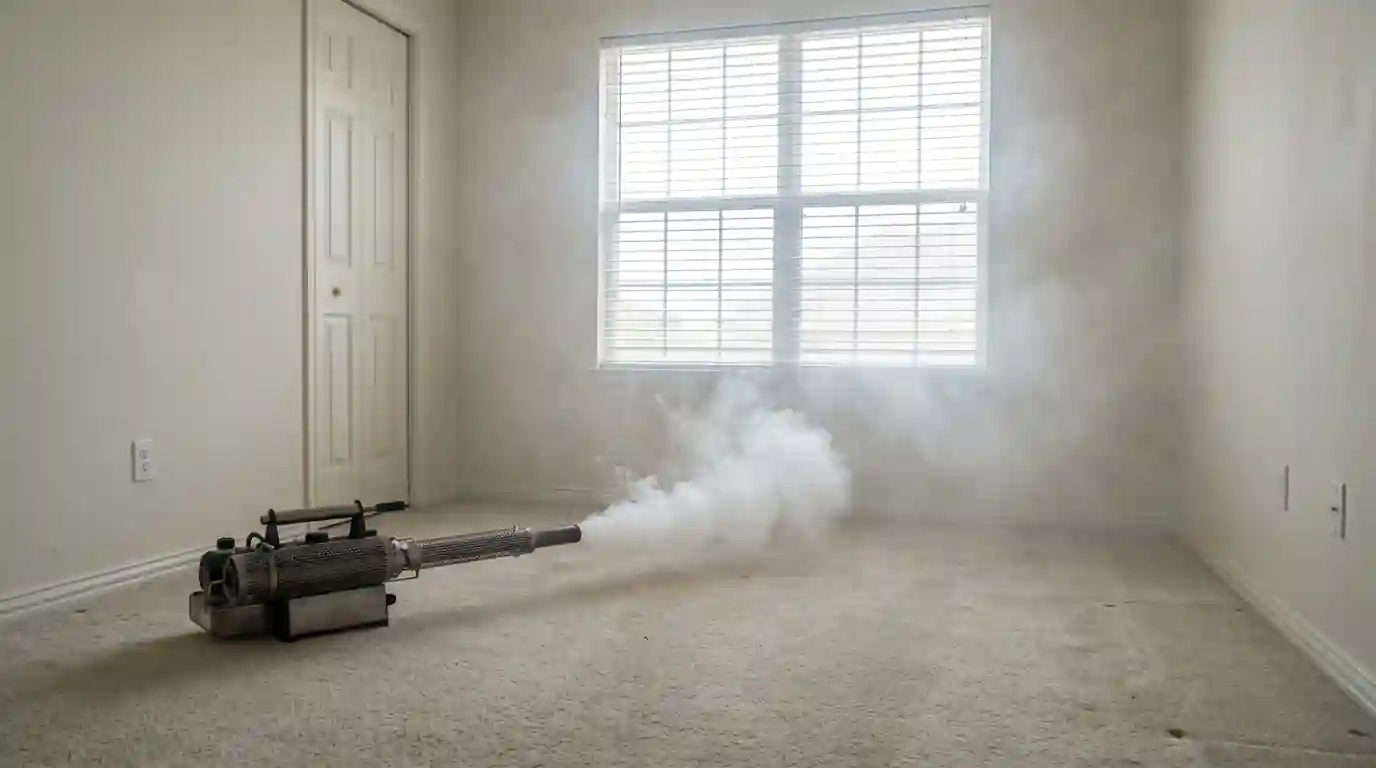
Odors are molecules that soak into porous materials and release slowly. Drywall paper, wood framing, carpet pad, insulation and upholstery all hold them. On a humid day, or when the heat kicks on, they release more, which is why a house can smell fine one week and bad the next.
So we start by finding the source: room by room checks, a moisture meter, a UV light for pet urine, and a look at the HVAC filter and returns. Once the source is clear, it gets cleaned, sealed or removed.
Then comes deodorization, chosen by the odor, the materials involved and whether you can leave the house for a day. We air the house out and check again before calling it done.
What decides the cost of odor removal
Odor jobs are priced by the source more than the smell. Finding and removing it is often the bigger part of the bill.
- Where the source is. Surface odor is quick. Odor in subfloor, wall cavities or insulation means opening things up.
- Type of odor. Smoke and urine bind to materials. Mildew odor fades once the moisture is gone.
- Treatment method. Hydroxyl runs longer with people home. Ozone is faster but needs an empty house.
- Number of floors. Fogging and ozone are set up floor by floor.
- Furniture and fabrics. Upholstery, mattresses and drapes hold odor and add treatment time.
Published national price ranges
- Ozone shock treatment $300 - $1,000; thermal fogging $200 - $600 per floor; deodorizing furniture $300 - $1,000 (per treatment / per floor), odor removal. How Much Does Fire Damage Restoration Cost? (2026) (HomeGuide)
These are planning ranges from national cost guides, not our quote. The price for your house depends on the factors above, and we give you a written scope before repair work starts.
Fogging, hydroxyl or ozone: which treatment fits
The main treatments once the source is gone.
| Method | How it works | Stay home? | Used for |
|---|---|---|---|
| Thermal fogging | Heated fog reaches the pores smoke reached | No | Smoke odor in the structure |
| Hydroxyl generator | Breaks down odor in the air over days | Yes | Occupied homes |
| Ozone generator | Oxidizes odor quickly at high levels | No, house empty | Heavy, stubborn smoke odor |
| Sealing primer | Locks odor into the surface | Yes, ventilated | Framing and subfloor |
Which odor problems you can handle on your own
Some odors respond to a homeowner's effort. Others keep coming back.
| Task | What a homeowner can do | When it needs us |
|---|---|---|
| Light smoke smell | Wash fabrics, wipe surfaces, change the HVAC filter, air out. | It returns within days, or soot shows on walls. |
| Fresh pet accident | Blot fast and use an enzyme cleaner made for urine. | Old or repeated spots, or a strong smell at floor level. |
| Musty cabinet | Dry it, check the plumbing above it, clean any spots. | It stays damp or the base is swollen. |
| Cooking odor | Run the hood, clean its filter, degrease the cabinets. | Grease film spread through the house after a fire. |
Three odors make up nearly all of these calls. The source and the fix are different for each one.
Smoke Odor
Smoke odor sits where the soot went, plus places it could not reach as particles: wall cavities, attic insulation and ductwork. Surfaces get cleaned first. Then thermal fogging or ozone treats the structure, and any surface that still smells gets a sealing primer. Years of cigarette smoke work the same way, just built up slowly over time instead of arriving in one evening, and it often needs more sealing on ceilings and trim.
HomeGuide lists ozone shock treatment at $300 - $1,000 and thermal fogging at $200 - $600 per floor.
Pet Odor
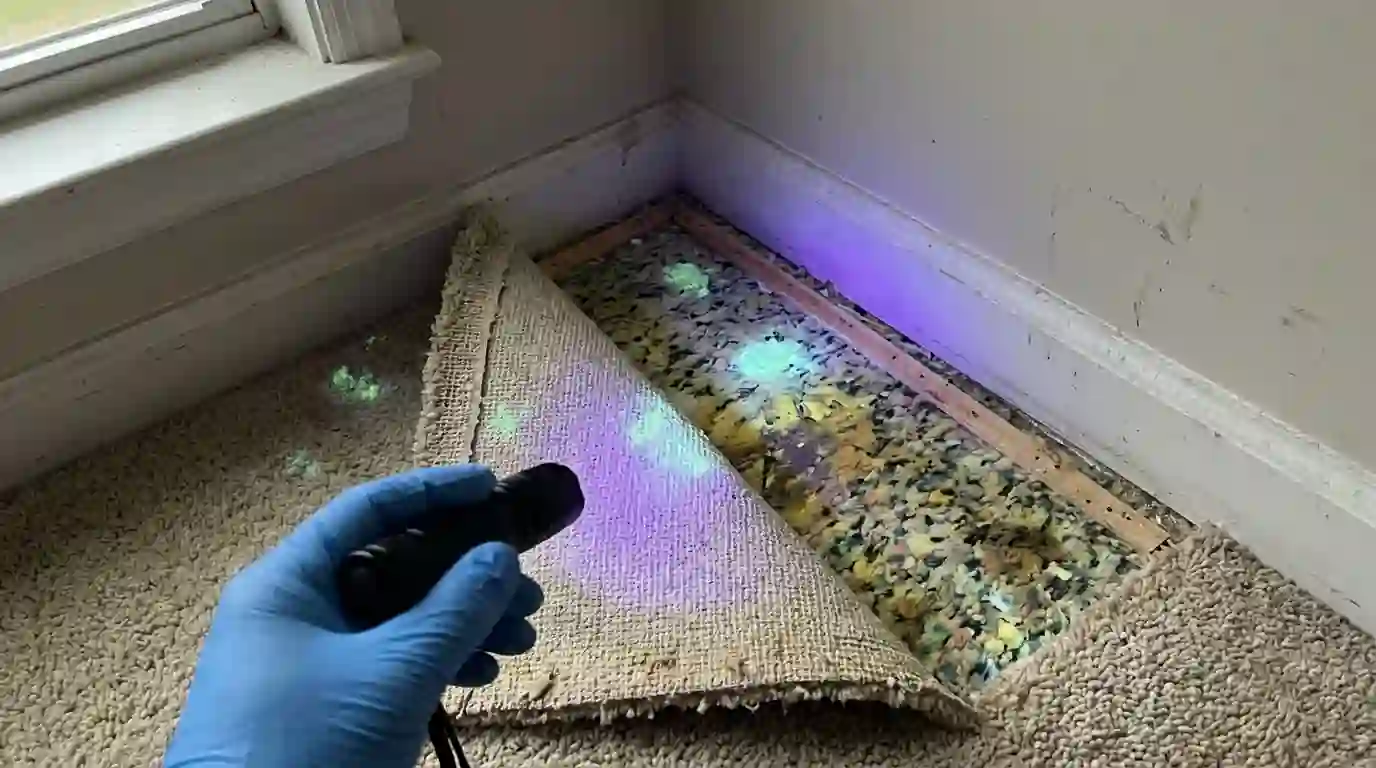
Pet urine soaks through carpet into the pad and often into the subfloor, so cleaning the carpet surface does almost nothing. We find the spots with UV light, pull the pad, seal the subfloor with an odor-blocking primer and put down new pad. Urine that wicked into drywall at baseboard height gets cut out the same way a water-damaged wall would, then gets patched, primed and painted to match the room.
Musty Mildew Odor
A musty smell means moisture is sitting somewhere it should not be. The fix is finding it: a slow leak under a sink, a damp crawl space, or a wall cavity that never dried after an old leak. Deodorizing without drying the area only buys a few days. Once the area is dry and any growth is removed, the smell usually leaves along with it, with no treatment needed at all.
Why odor calls in Oklahoma City usually come second
Odor calls in Oklahoma City usually arrive after another problem. The fire, the leak or the pet accident came first, it got cleaned up, and a few weeks later the smell is back. That pattern points to a source that was never removed: soot in a return duct, urine in the subfloor, a wall cavity that never fully dried. Before we bring any deodorizing equipment, we ask what happened in the house over the past year, because that history usually tells us where to look.
How we take an odor out of a house
- We trace the sourceMoisture meters, UV light and a look at the HVAC filter and returns.
- We remove or clean itSoaked pad, stained drywall or residue comes out before any treatment.
- We seal what holds odorSubfloors and framing get an odor-blocking primer where cleaning cannot reach.
- We deodorizeFogging, hydroxyl or ozone, chosen by the odor and whether the house is occupied.
- We air out and recheckWe ventilate, wait and check again with the HVAC running.
Odor removal questions we get from homeowners
Ozone works well on smoke odor but irritates lungs, so people, pets and plants must be out while it runs and for a while after. Hydroxyl generators are slower but can run with the family home.
Odor held in porous materials releases faster as heat and humidity rise. If the smell returns with the weather, the source is still in the drywall, wood, pad or insulation and needs removing or sealing.
Rarely. Urine goes through the carpet into the pad and often the subfloor. Shampooing rewets it and can make the smell stronger for a while. The pad usually comes out and the subfloor gets sealed.
Only with the right primer. Standard paint lets smoke odor through. Clean first, then use a shellac or other odor-sealing primer, then the finish coat. Painting over residue traps it rather than sealing it.
Fogging usually takes a day. Ozone runs a day or more in an empty house, plus airing out. Hydroxyl treatment can take several days. The source work before it often takes longer than the treatment.